 9261c9b47f
* fix(stock): assign batch_no only when the first batch covers the full qty

The auto-pick loop reduced the requested qty per batch and left the last
visited batch on the row, so a qty spanning batches got a batch that could
not fulfil it and failed at submit with a misleading negative-stock error.

Assign the first batch in pick order only when it alone covers the qty.
Otherwise leave batch_no empty so the auto-created Serial and Batch Bundle
splits the qty across batches at submit.

Batches are queried without qty so filter_batches subtracts rows already in
the document from the uncapped batch quantities. Querying on a copy also
stops get_auto_batch_nos from clearing warehouse on the kwargs later used to
pick serial nos.

Fixes #58640

* test(stock): cover batch auto-pick when qty spans batches

* fix(stock): pick serial nos across batches when no batch covers the qty

With batch_no left empty for a qty that spans batches, the serial pick for a
serialised and batched item filtered on [None] and returned nothing, leaving
the row with neither identity. Skip the batch filter when there is no batch so
the serial nos are picked in the configured order across batches; the bundle
built at submit derives each serial's batch.

* test(stock): cover serial pick across batches for batched serial items

ERPNext
Powerful, Intuitive and Open-Source ERP




ERPNext
100% Open-Source ERP System to help you run your business.
Motivation
Running a business is a complex task - handling invoices, tracking stock, managing personnel, and other daily operations. In a market where software is sold separately to manage each of these tasks, ERPNext does all of the above and more, for free.
Key Features
- Accounting: All the tools you need to manage cash flow in one place, right from recording transactions to summarizing and analyzing financial reports.
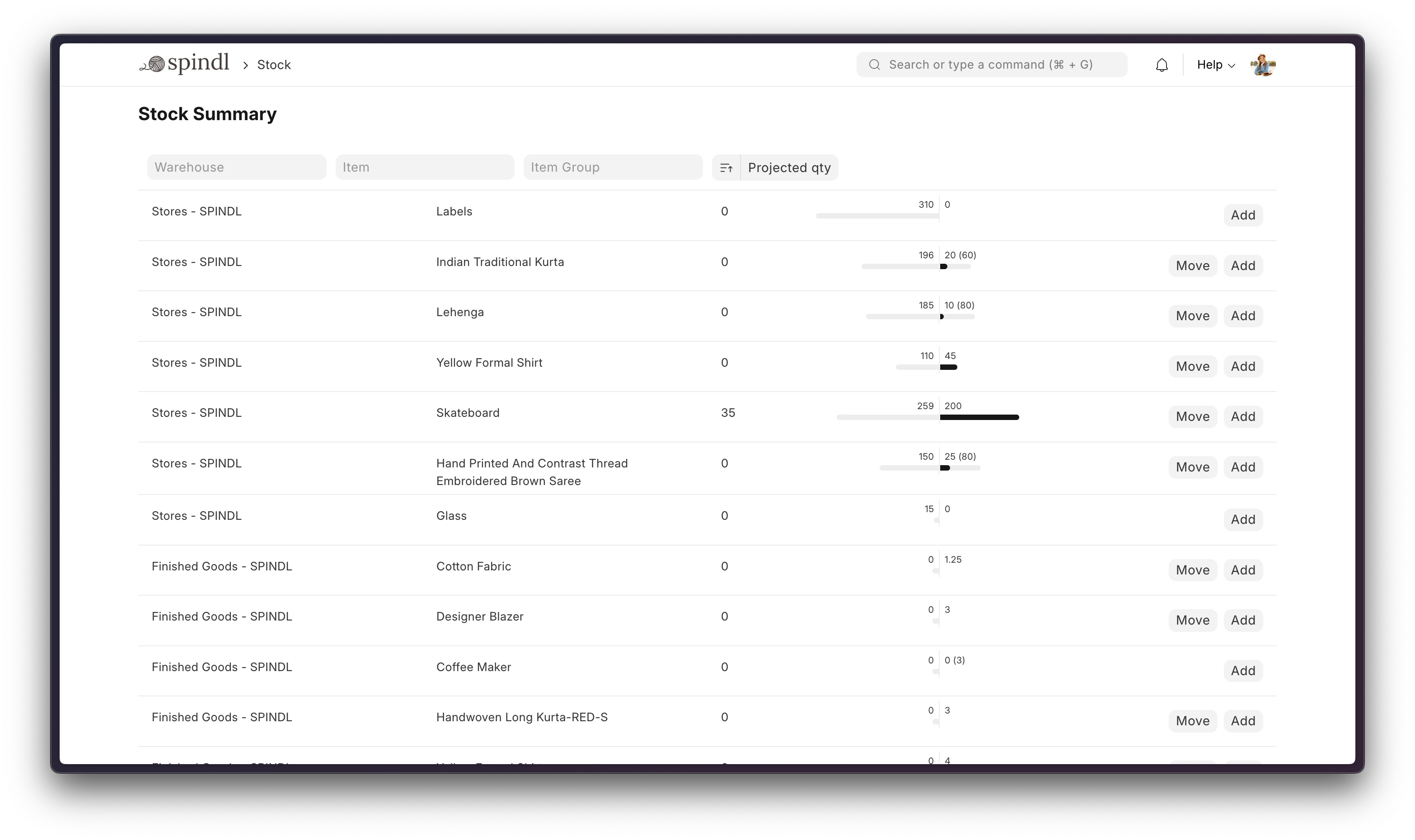
- Order Management: Track inventory levels, replenish stock, and manage sales orders, customers, suppliers, shipments, deliverables, and order fulfillment.
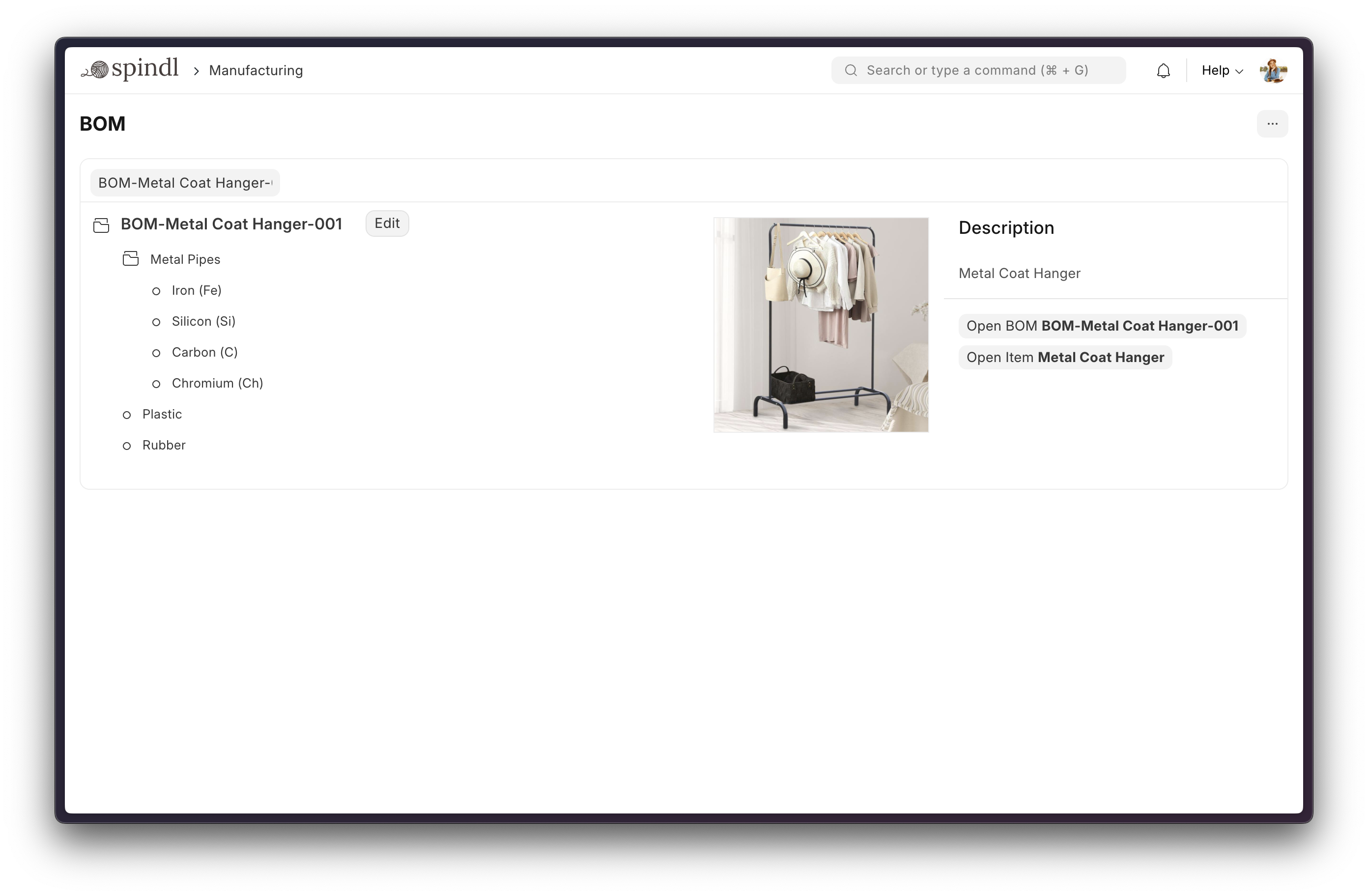
- Manufacturing: Simplifies the production cycle, helps track material consumption, exhibits capacity planning, handles subcontracting, and more!
- Asset Management: From purchase to disposal, IT infrastructure to equipment. Covers every branch of your organization, all in one centralized system.
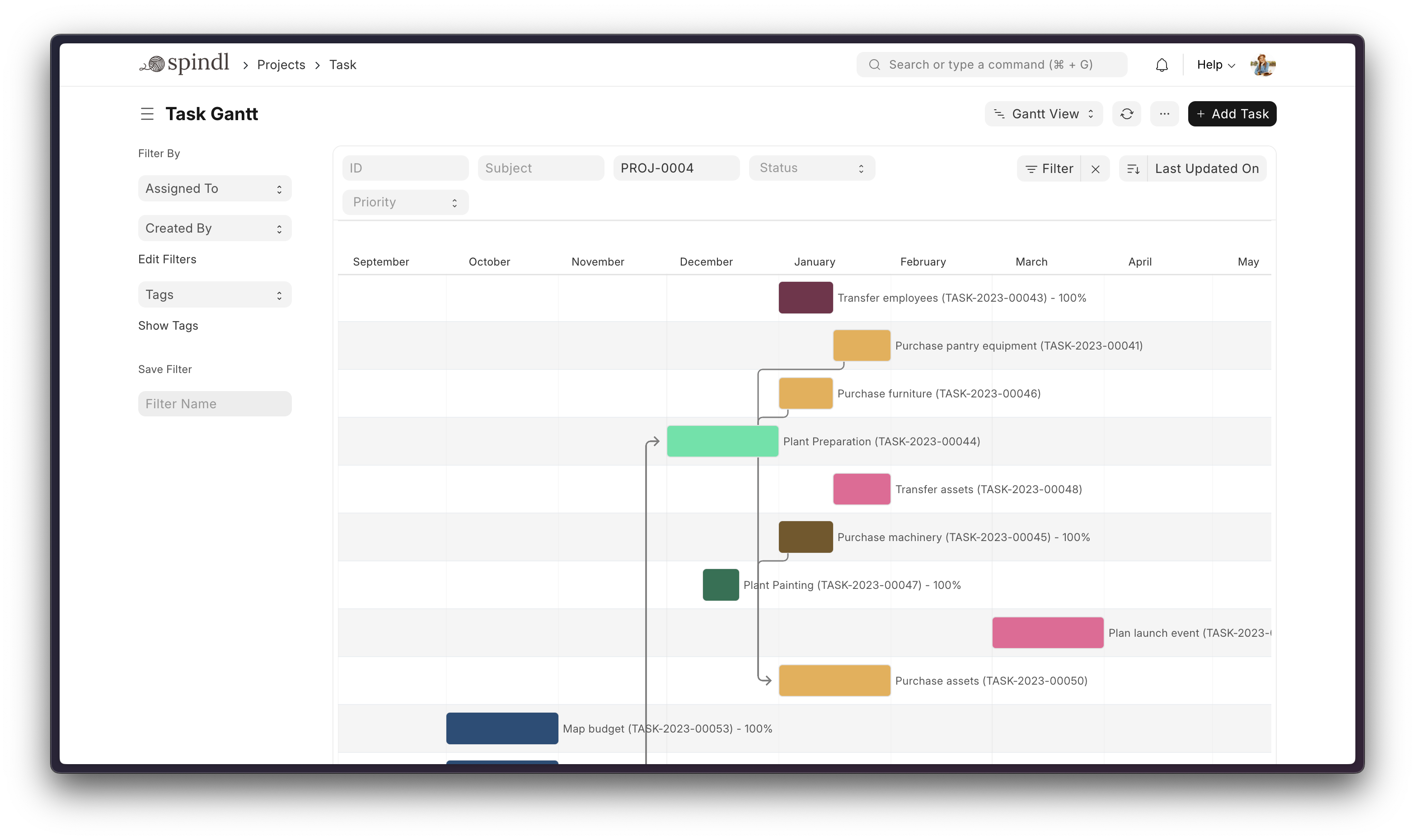
- Projects: Deliver both internal and external projects on time, budget and profitability. Track tasks, timesheets, and issues by project.
More

Under the Hood
-
Frappe Framework: A full-stack web application framework written in Python and JavaScript. The framework provides a robust foundation for building web applications, including a database abstraction layer, user authentication, and a REST API.
-
Frappe UI: A Vue-based UI library, to provide a modern user interface. The Frappe UI library provides a variety of components that can be used to build single-page applications on top of the Frappe Framework.
Production Setup
Managed Hosting
You can try Frappe Cloud, a simple, user-friendly, and sophisticated open-source platform to host Frappe applications reliably and securely.
It handles installation, setup, upgrades, monitoring, maintenance, and support of your Frappe deployments. It is a fully featured developer platform with an ability to manage and control multiple Frappe deployments.

Self-Hosted
Docker
See Frappe Docker Documentation for full documentation & FAQ on Docker setup
Prerequisites
For Docker basics and best practices refer to Docker's documentation
Try on your environment
⚠️ Disposable demo only
This setup is intended for quick evaluation. Expect to throw the environment away. You will not be able to install custom apps to this setup. For production deployments, custom configurations, and detailed explanations, see the full documentation.
First clone the repo:
git clone https://github.com/frappe/frappe_docker
cd frappe_docker
Then run:
docker compose -f pwd.yml up -d
Wait for a couple of minutes for ERPNext site to be created or check the create-site container logs before opening browser on port 8080. (username: Administrator, password: admin)
See Frappe Docker for ARM based docker setup
Development Setup
Manual Install
The Easy Way: our install script for bench will install all dependencies (e.g. MariaDB). See https://github.com/frappe/bench for more details.
New passwords will be created for the ERPNext "Administrator" user, the MariaDB root user, and the Frappe user (the script displays the passwords and saves them to ~/frappe_passwords.txt).
Local
To setup the repository locally follow the steps mentioned below:
-
Setup bench by following the Installation Steps and start the server
bench start -
In a separate terminal window, run the following commands:
# Create a new site bench new-site erpnext.localhost -
Get the ERPNext app and install it
# Get the ERPNext app bench get-app https://github.com/frappe/erpnext # Install the app bench --site erpnext.localhost install-app erpnext -
Open the URL
http://erpnext.localhost:8000/appin your browser, you should see the app running
Learning and Community
- Frappe School - Learn Frappe Framework and ERPNext from the various courses by the maintainers or from the community.
- Official documentation - Extensive documentation for ERPNext.
- Discussion Forum - Engage with the community of ERPNext users and service providers.
- Telegram Group - Get instant help from huge community of users.
Contributing
Logo and Trademark Policy
Please read our Logo and Trademark Policy.
